Furniture is more than just functional pieces occupying our living spaces; it is an essential element that defines our homes and reflects our personal style. From the ancient times when humans used rocks and tree stumps for seating to the modern era of sleek, ergonomic designs, Functionality of Furniture has evolved into an art form that seamlessly combines form and function.
The Evolution of Furniture: A Historical Perspective
Early Beginnings: From Rocks to Thrones
Furniture has a rich history that dates back to ancient civilizations. The earliest forms were rudimentary, serving basic purposes like providing a surface for sitting or sleeping. In ancient Egypt, Functionality of Furniture became more sophisticated, with the use of wood and ornate designs. Thrones and chairs were symbols of power and prestige, showcasing the importance of furniture in society.
The Renaissance and Furniture as Art
The Renaissance period marked a shift in the perception of furniture. It was no longer just a utilitarian object but also a form of art. Elaborate carvings, inlay work, and luxurious materials became prevalent. Functionality of Furniture became a status symbol, with each piece showcasing the craftsmanship and wealth of its owner.
Industrial Revolution: Mass Production and Accessibility
The Industrial Revolution brought about a significant change in the furniture industry. Mass production techniques made furniture more accessible to the general population. With the advent of new materials like steel and the use of assembly lines, Functionality of Furniturebecame more affordable and diverse.
Form and Functionality of Furniture: The Dual Nature of Furniture
Ergonomics in Furniture Design
One of the key aspects of modern furniture design is ergonomics. Designers now focus on creating furniture that not only looks aesthetically pleasing but also promotes comfort and health. Ergonomic chairs, adjustable desks, and modular sofas are examples of how form and function come together to enhance the user experience.
Sustainable Furniture: A Growing Trend
In the 21st century, as environmental concerns take center stage, sustainable Functionality of Furniture has gained popularity. Designers are incorporating eco-friendly materials, such as reclaimed wood and recycled metal, into their creations. Consumers are increasingly drawn to furniture that aligns with their values of sustainability and ethical production.
Smart Furniture: Integrating Technology
The rise of smart homes has led to the integration of technology into furniture. From coffee tables with built-in wireless chargers to sofas with USB ports, furniture is adapting to the digital age. Smart furniture not only adds convenience but also reflects the increasing importance of technology in our daily lives.
The Diverse World of Furniture Styles
Classic Elegance: Timeless Designs
Classic furniture styles continue to hold a special place in our hearts and homes. Designs inspired by periods like the Victorian or Georgian era exude timeless elegance. Intricate details, rich fabrics, and sturdy craftsmanship define classic Functionality of Furniture pieces, making them cherished heirlooms.
Modern Minimalism: Simplicity in Design
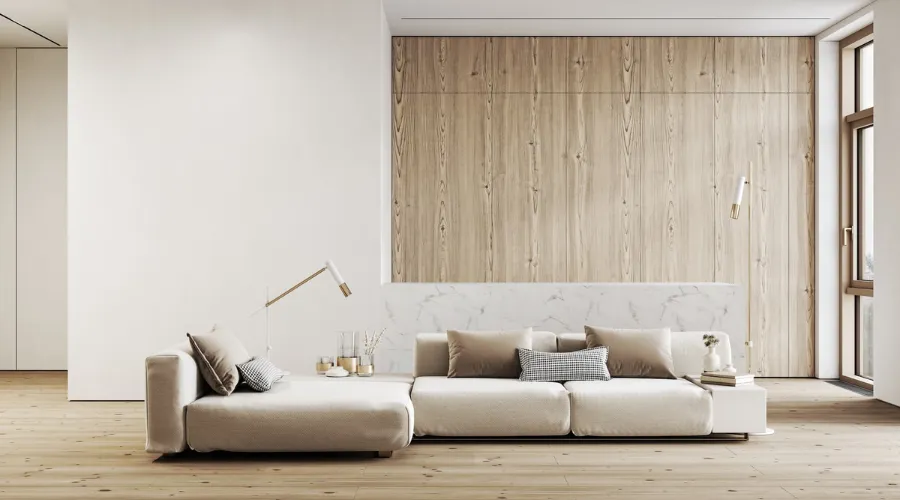
On the opposite end of the spectrum, modern minimalist furniture embraces simplicity and functionality. Clean lines, neutral colors, and a focus on essential elements characterize this style. Minimalist furniture not only complements contemporary interiors but also creates a sense of openness and tranquility.
Bohemian Chic: Embracing Eclecticism
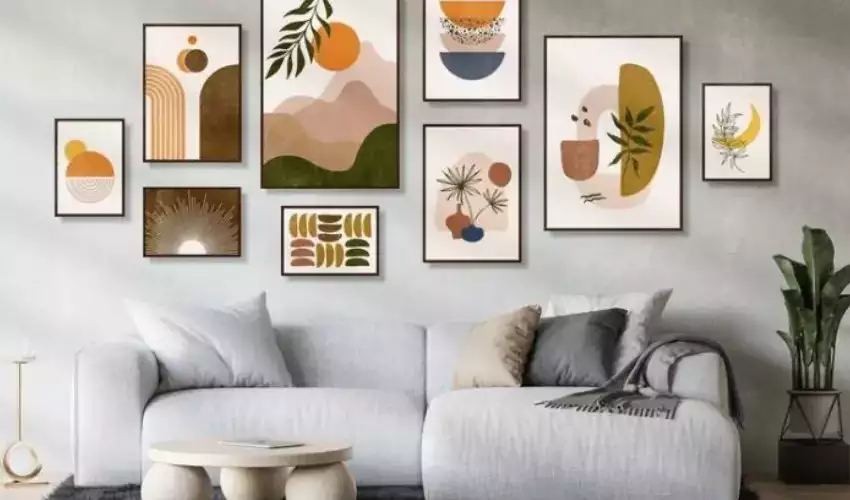
For those who crave a more eclectic and vibrant aesthetic, Bohemian or Boho furniture style is the perfect choice. Mixing patterns, textures, and colors, Boho furniture creates a laid-back and free-spirited atmosphere. It allows for self-expression and a personalized approach to interior design.
Scandinavian Simplicity: Beauty in Simplicity
Scandinavian furniture design has gained global popularity for its simplicity, functionality, and emphasis on natural materials. Clean lines, light colors, and a focus on craftsmanship characterize this style. Scandinavian Functionality of Furniture seamlessly blends with various interior themes, making it a versatile choice.
Choosing the Right Furniture for Your Space
Assessing Your Needs: Functionality First
Before embarking on a furniture shopping spree, it’s crucial to assess your needs. Consider the functionality each piece should serve. Whether it’s a cozy sofa for family movie nights or a practical dining table for hosting dinner parties, prioritize functionality to ensure your Functionality of Furniture meets your lifestyle requirements.
Measuring and Planning: A Blueprint for Success
Measure your space carefully before purchasing furniture. A common mistake is underestimating or overestimating the size of a room. Create a floor plan to visualize how different pieces will fit together. This planning stage is essential for achieving a harmonious and well-balanced interior.
Quality Over Quantity: Investing Wisely
Quality should always be a priority when investing in furniture. While it might be tempting to buy budget-friendly pieces, investing in well-crafted furniture pays off in the long run. Durable materials and solid construction ensure longevity, saving you money in replacements and repairs.
Expressing Your Style: Finding the Perfect Match
Your furniture choices should reflect your personal style and preferences. Whether you lean towards a contemporary, traditional, or eclectic aesthetic, choose pieces that resonate with you. Mixing styles can also create a unique and personalized look that tells the story of your home.
The Future of Furniture: Innovations and Trends
Sustainable Materials and Practices
As environmental consciousness continues to grow, the use of sustainable materials and eco-friendly manufacturing processes will become increasingly prevalent. Consumers are likely to demand transparency in the sourcing and production of furniture, driving the industry towards more sustainable practices.
Customization and Personalization
The demand for customizable furniture is on the rise. Consumers want pieces that cater to their specific needs and preferences. Customization not only allows for a more personal touch but also ensures that the Functionality of Furniture seamlessly fits into the unique characteristics of each home.
Integration of Augmented Reality (AR)
The integration of augmented reality into the furniture shopping experience is a trend that is gaining momentum. AR allows consumers to visualize how a piece of furniture will look in their space before making a purchase, reducing the chances of disappointment and returns.
Collaborations and Limited Editions
Collaborations between furniture designers and other creative industries, such as fashion or art, are becoming more common. Limited edition furniture pieces add an element of exclusivity, attracting collectors and design enthusiasts. These collaborations bring a fresh perspective to furniture design and push boundaries in terms of creativity.
Conclusion
In the vast world of Functionality of Furniture, the journey from rocks to smart, sustainable designs is a testament to human ingenuity and creativity. Furniture has evolved into an art form that marries functionality with aesthetic appeal. As we look to the future, the emphasis on sustainability, customization, and technological integration will shape the next chapter in the story of Functionality of Furniture. Whether you prefer classic elegance, modern minimalism, or bohemian chic, the perfect piece of furniture is not just an addition to your home but a reflection of your lifestyle and personality. Invest wisely, express yourself boldly, and let your furniture tell the story of your living space.